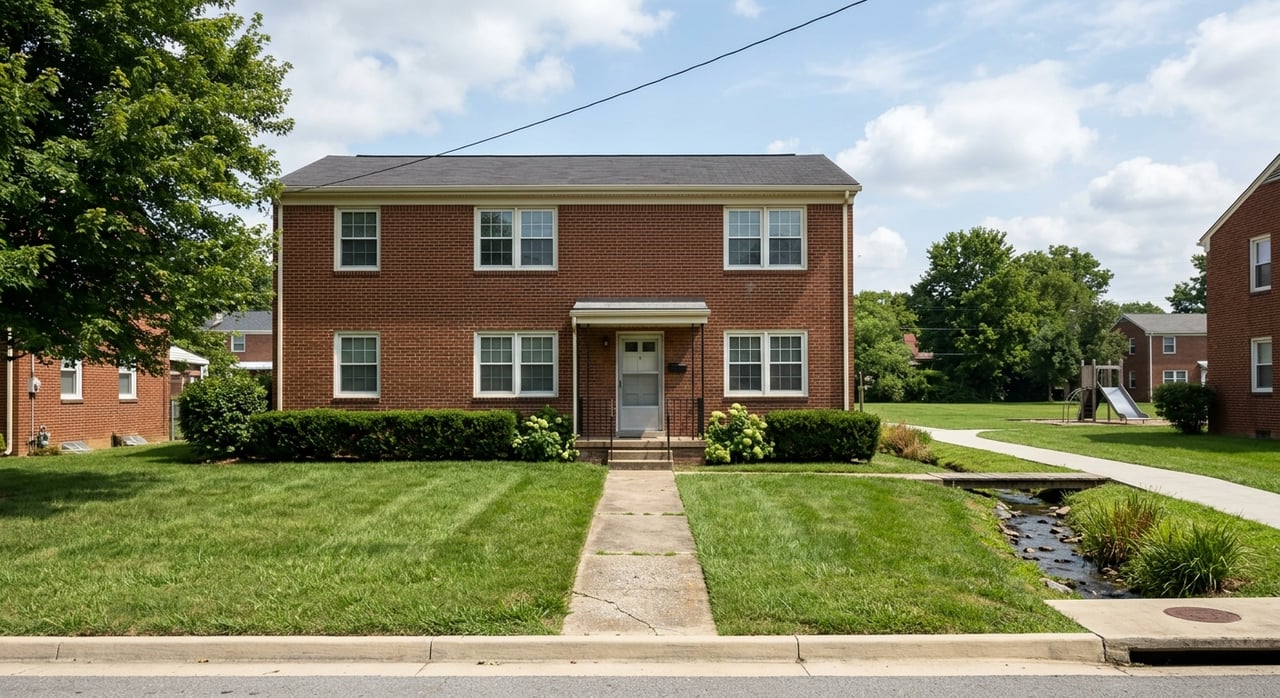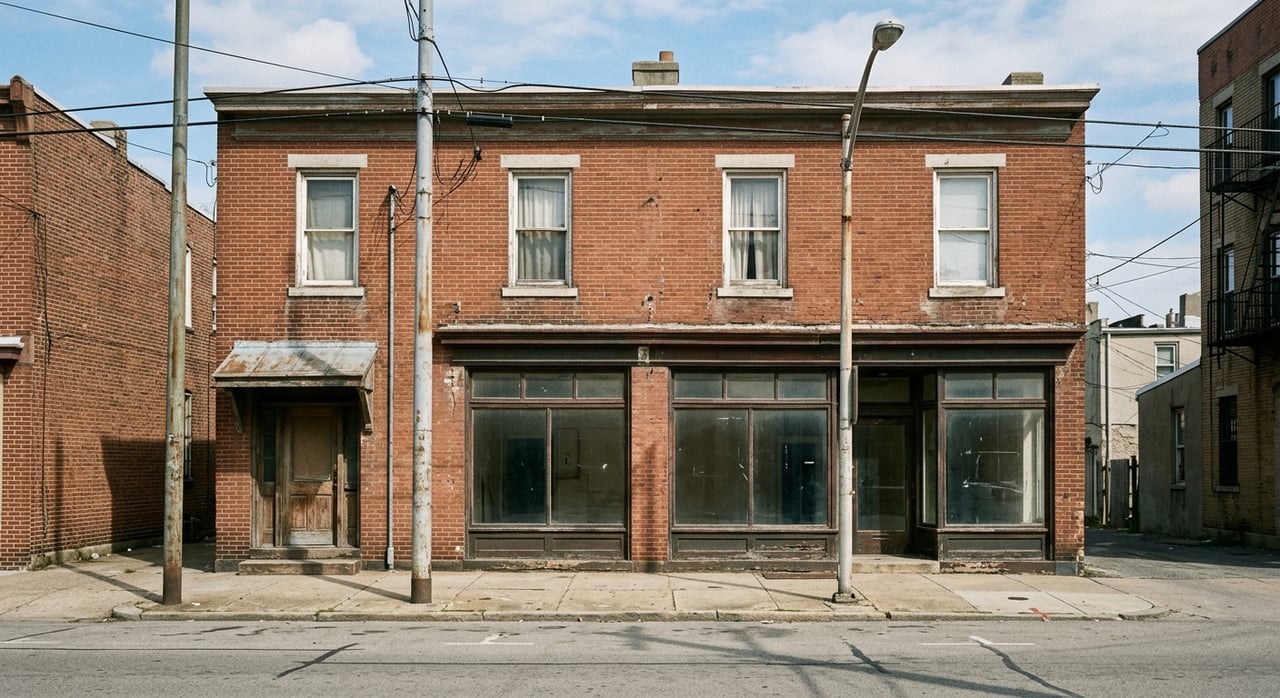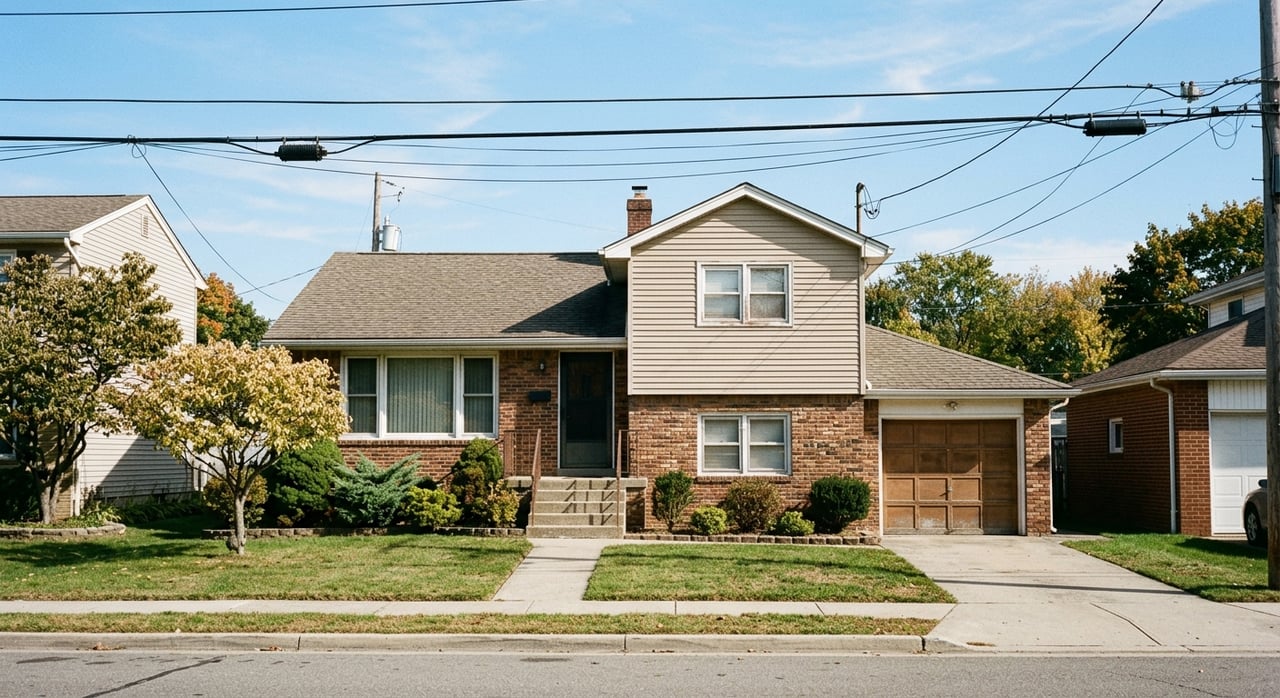
Wondering what it actually feels like to live in Westmoreland County day to day? If you are thinking about moving here, buying your next home, or simply getting to know the area better, you probably want more than a map and a list of towns. You want a real sense of the pace, the routines, and the places people use every week. Let’s take a closer look at what everyday life is like in Westmoreland County.
Westmoreland County feels spread out
Westmoreland County is a large county in southwestern Pennsylvania with 354,663 residents counted in 2020 and an estimated 349,324 residents in July 2025. It covers 1,027.71 square miles, which helps explain why daily life often feels open and spread out instead of tightly packed.
That lower density shapes how you live here. Compared with Pittsburgh, Westmoreland County feels less urban, less crowded, and more centered on a network of towns rather than one busy city core. In practical terms, that usually means you plan your day around a car, easy parking, and a few go-to destinations.
Daily routines are car-friendly
If you are used to a dense city, one of the first things you may notice is how driving fits naturally into everyday life here. Westmoreland County had a 2020 population density of 345.1 people per square mile, while Pittsburgh was estimated at 5,471.3 people per square mile. That is a big difference, and it shows up in how people get to work, run errands, and meet up with friends.
The county also has an owner-occupied housing rate of 78.4 percent and a mean travel time to work of 26.7 minutes. Those numbers point to a place where many residents own their homes and commute as part of a normal weekly routine. For many households, daily life is less about walking to everything and more about having space, planning stops, and moving through the region with ease.
Roads and regional travel matter
Transportation in Westmoreland County is part of a larger regional system. The county owns 52 miles of road and 44 bridges, while many other roads and bridges are maintained locally or by the state. Planning is coordinated with the Southwestern Pennsylvania Commission and PennDOT, which reflects how connected the county is to the broader metro area.
This matters if you work in another town, head into Pittsburgh on occasion, or simply like having options. Life here often includes regional movement, whether that means commuting, shopping in a nearby town center, or heading out for recreation.
Public transit is available, but limited
Westmoreland Transit gives residents another way to get around. Fixed-route options include Greensburg to Pittsburgh, Latrobe to Pittsburgh, Mt. Pleasant to Pittsburgh, and Greensburg to Irwin service. There is also GO Westmoreland, a shared-ride service that covers all of Westmoreland County plus a 5-mile buffer zone.
That said, public transit exists within a county that still feels more car-oriented than Pittsburgh. Even when transit is useful, many daily routines still revolve around driving. If you are relocating, it helps to think about your home search in terms of the roads and routes you will use most often.
Town centers shape everyday life
Because Westmoreland County is not built around one dense downtown, daily life often centers on a few key places. Greensburg, Latrobe, and Ligonier stand out as practical lifestyle hubs for errands, dining, events, and local outings.
Each one offers a slightly different feel, but together they help define how the county works. Instead of one all-in-one city experience, you get a connected group of smaller centers that residents use in different ways throughout the week.
Greensburg offers a classic county-seat hub
Greensburg serves as the county seat and functions as one of the area’s main activity centers. The city describes its downtown as home to theaters, unique eateries, shops, museums, and a picturesque downtown district. That combination makes it a place where you can handle practical errands and still enjoy a more walkable, social setting.
Parking also supports that ease of use. Downtown Greensburg includes 15 surface lots and the 400-space Robert A. Bell Parking Garage. For you, that can mean a more convenient experience for meetings, meals, events, and appointments.
Latrobe has a compact downtown feel
Latrobe brings a different kind of daily energy. Its local revitalization program focuses on downtown historic preservation, safety, sustainability, and business vitality. That mission supports the feel of a compact small-city center with an established local identity.
If you like towns with a defined downtown and a sense of place, Latrobe may stand out to you. It adds variety to the county and gives residents another strong option for dining, shopping, and local routines.
Ligonier adds destination appeal
Ligonier is often part of the county conversation because it adds another well-known lifestyle node. Dining examples like Sweet Rust Restaurant at Thistledown help show that Westmoreland County is not limited to chain-heavy commercial corridors. You can also find places that feel more like local destinations woven into the rhythm of the area.
That mix is part of what makes the county appealing. Your weekly routine can stay practical, while still leaving room for distinctive spots that feel worth returning to.
Outdoor access is part of normal life
In Westmoreland County, outdoor time is not just a weekend extra. The county parks system includes 11 parks and 5 trails, and all county parks and trails are open daily from 9:00 a.m. to dusk. That makes it easier to work outdoor time into a normal day, whether you want to walk, bike, fish, or simply get some fresh air.
For many residents, that easy access improves quality of life in a very real way. You do not have to leave the county to find green space, trails, or places to reset after work.
County parks support many interests
The park system is broad enough to support different routines and hobbies. Cedar Creek Park offers 479 acres, access to the Youghiogheny River, and access to the Great Allegheny Passage. Twin Lakes Park includes an amphitheater, skate and action park, athletic fields, a life trail, a boathouse, and winter sports space.
Mammoth Park and Northmoreland Park add even more options depending on where you live in the county. For buyers comparing areas, this kind of access can become a real daily benefit, not just a nice feature on paper.
Trails connect towns and recreation
The trail network adds another layer to daily life. The Five Star Trail connects Greensburg to Youngwood and Armbrust, while the Westmoreland Heritage Trail runs from Saltsburg to Trafford with stops including Slickville and Delmont. The Coal and Coke Trail links Mt. Pleasant to Scottdale, and the Little Crabtree Creek Trail begins at Twin Lakes Park.
These trails support everyday recreation in a very practical way. You may use them for a short walk, a bike ride, or a simple change of pace after a busy day. Access to the Great Allegheny Passage at Cedar Creek Park and West Newton adds even more value for residents who enjoy longer rides and regional trail connections.
State parks expand your options
County amenities are only part of the picture. Westmoreland County also has access to nearby state land options including Keystone State Park in Derry Township, Laurel Summit State Park, and parts of Laurel Ridge State Park and Forbes State Forest. Linn Run State Park is also nearby and known for picnicking, hiking, cabin rentals, and Adam Falls.
If you enjoy hiking, scenic drives, cabin stays, or mountain-style recreation, those options widen your choices without requiring a major trip. That gives everyday life here a strong outdoor advantage.
Dining and events keep the county connected
A place feels livable when there is more to do than commute and run errands. Westmoreland County has a steady mix of downtown dining, local events, and seasonal traditions that help connect residents to the area.
This is one of the county’s strengths. You can keep a fairly practical lifestyle while still having regular options for entertainment, food, and community gatherings.
Dining is broader than you might expect
Local dining examples help show the range. Oliver’s Pourhouse in downtown Greensburg and Mailey’s Provisions in Latrobe are part of a scene that includes downtown cafés, restaurants, and gathering spots. These examples suggest the county offers a more varied food experience than many people expect from a suburban-exurban area.
That matters because everyday life is often made up of repeat favorites. Whether you prefer a downtown coffee stop, a casual meal, or a destination dinner, the county gives you more than one setting for it.
Seasonal traditions create local rhythm
Community traditions also shape the year. SummerSounds brings a free concert series to Greensburg’s St. Clair Park. Fort Ligonier Days is a three-day fall festival held during the second full weekend in October, with reenactments, crafts, foods, local spirits, a grand parade, and a 5K walk or run.
The Westmoreland Fair adds another familiar tradition to the local calendar. Together, these events help create a rhythm that feels rooted in town centers, fairgrounds, parks, and gathering spaces across the county.
What this means for buyers and movers
If you are considering a move, Westmoreland County often works best for people who want room to spread out, a home-centered lifestyle, and access to several town centers rather than one dense urban core. You can expect daily life to feel practical, moderately paced, and shaped by driving, local routines, and regional connections.
You may also find that different parts of the county fit different lifestyles. Some buyers prioritize commute patterns, while others focus on proximity to parks, trails, or downtown amenities. That is why local guidance matters when you are narrowing down where to live.
Westmoreland County is not trying to feel like Pittsburgh, and that is part of its appeal. It offers a network of livable communities, useful amenities, and outdoor access that can support many stages of life, from first-time buyers to downsizers and investors looking at the local market.
If you are thinking about buying, selling, downsizing, or exploring neighborhoods in Westmoreland County, Christine Laboon can help you make sense of the area and find the right fit for your goals.
FAQs
What is the overall lifestyle like in Westmoreland County?
- Westmoreland County generally feels spread out, car-friendly, and centered on a network of towns rather than one dense city core.
How do most people get around in Westmoreland County?
- Many residents rely on driving for daily routines, though Westmoreland Transit offers fixed-route bus service and shared-ride service in the county.
What are the main town centers in Westmoreland County?
- Greensburg, Latrobe, and Ligonier are key lifestyle hubs for dining, events, errands, and local outings.
Are there parks and trails throughout Westmoreland County?
- Yes. Westmoreland County Parks and Recreation includes 11 parks and 5 trails, with county parks and trails open daily from 9:00 a.m. to dusk.
Is Westmoreland County a good fit if you enjoy outdoor recreation?
- Westmoreland County offers county parks, trails, Great Allegheny Passage access, and nearby state park and forest options that support regular outdoor activity.
What kinds of community events take place in Westmoreland County?
- Recurring local traditions include SummerSounds in Greensburg, Fort Ligonier Days, and the Westmoreland Fair.