Ready to buy your first investment property in Westmoreland County? It can be exciting, but it can also feel overwhelming when you start looking at rents, taxes, zoning, and property types all at once. The good news is that you do not need to know everything on day one. You just need a practical framework for spotting opportunities, avoiding common mistakes, and asking the right local questions. Let’s dive in.
Why Westmoreland County Gets Investor Attention
Westmoreland County is a mature housing market with a strong owner-occupied base. As of July 2024, the county had a population of 350,935, an owner-occupied rate of 78.4%, and 154,979 households. That matters because beginner investors are often entering a market where many properties are existing homes or small buildings, not brand-new inventory.
The county also appears to offer a steady local foundation for small investment properties. In 2023, there were 8,428 employer establishments and 124,843 jobs in the county, and the mean commute time was 26.7 minutes. For you, that can support demand from households who work locally or commute to nearby employment centers.
Another important detail is new supply. Only 414 building permits were issued in 2024, which suggests many investment opportunities may come from existing properties that need updates, repositioning, or better management rather than new construction. For a beginner, that often means your first deal is more likely to be a resale property than a ground-up project.
What Beginner Investors Should Know First
If you are new to investing, it helps to think less about finding a “perfect” property and more about finding a manageable first deal. In Westmoreland County, lower-friction opportunities are often properties where the current use is already legal, tenant turnover is manageable, and major site work is not required.
That is one reason small multifamily properties often appeal to first-time investors. You may also see mixed-use or light commercial opportunities, but those can become more complex if zoning, parking, or permit issues are unclear. In this county, the best first deal is often the one with the fewest unknowns.
Best Property Types for Beginners
Small multifamily properties
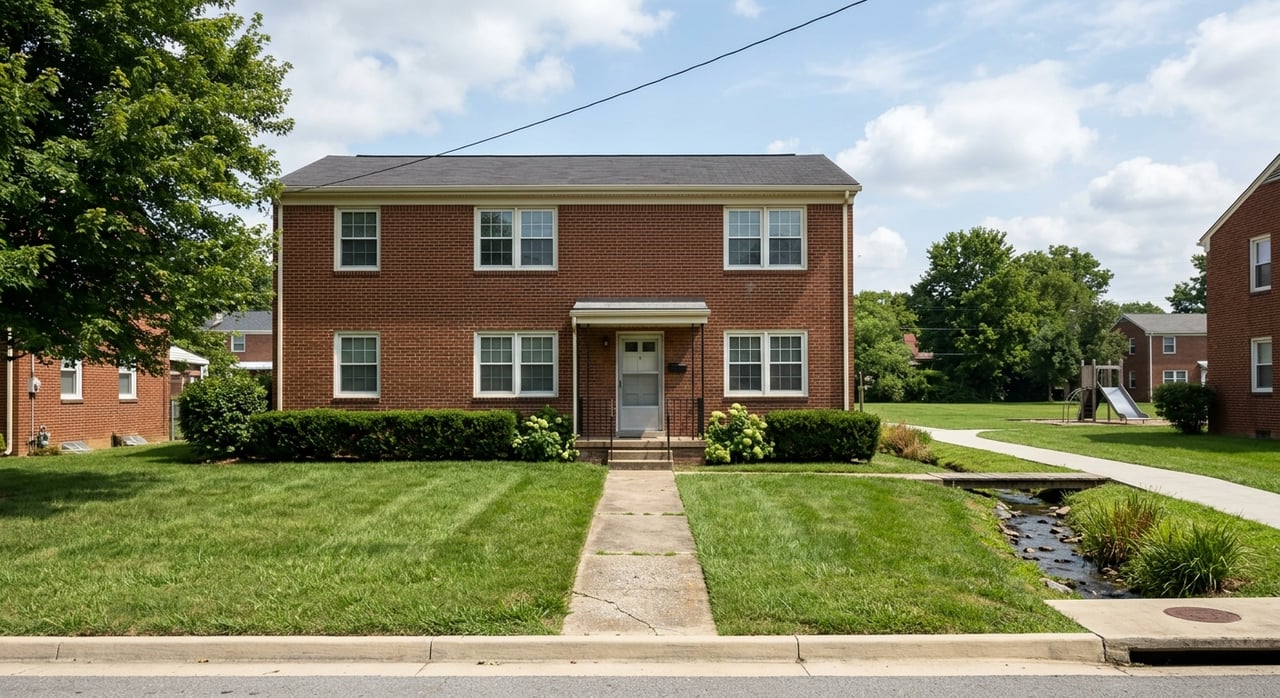
A duplex, triplex, or small apartment building can offer simpler entry points for many investors. These properties may let you spread risk across more than one unit while still staying in a size range that feels manageable.
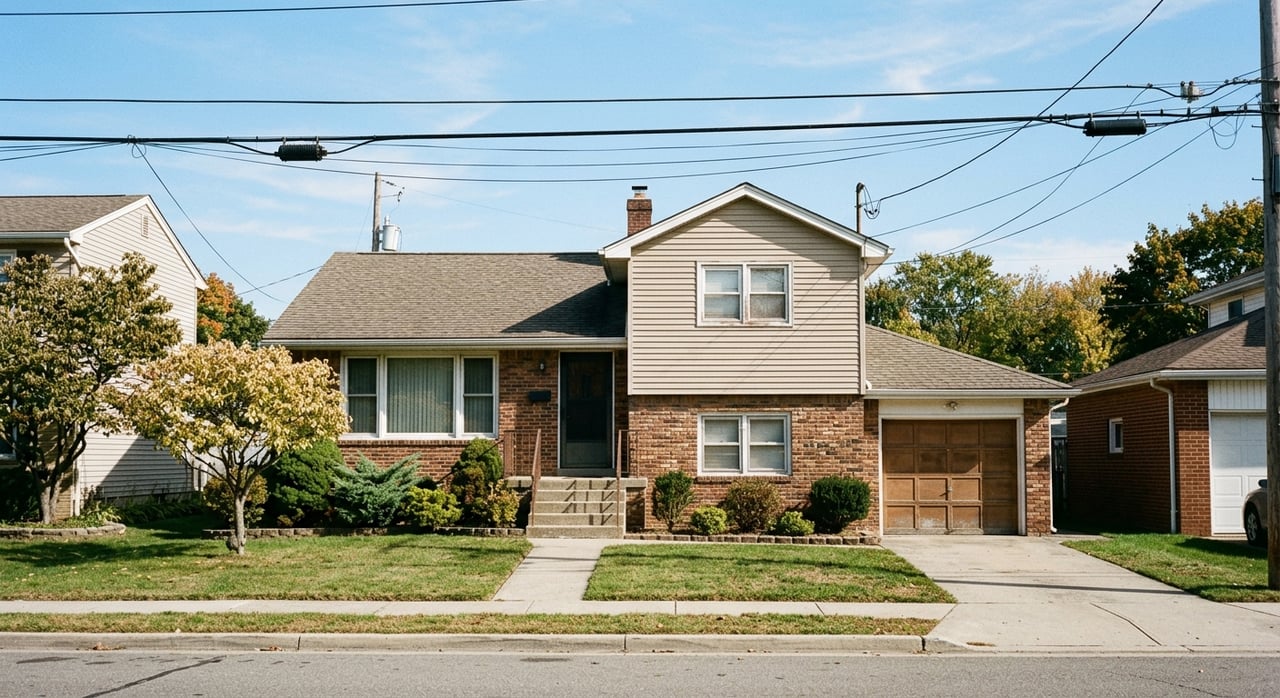
In a market like Westmoreland County, small multifamily can also fit the area’s mature housing stock. Since the county has relatively limited new construction, existing buildings with workable layouts and established use histories may be easier to evaluate than redevelopment-heavy projects.
Mixed-use properties
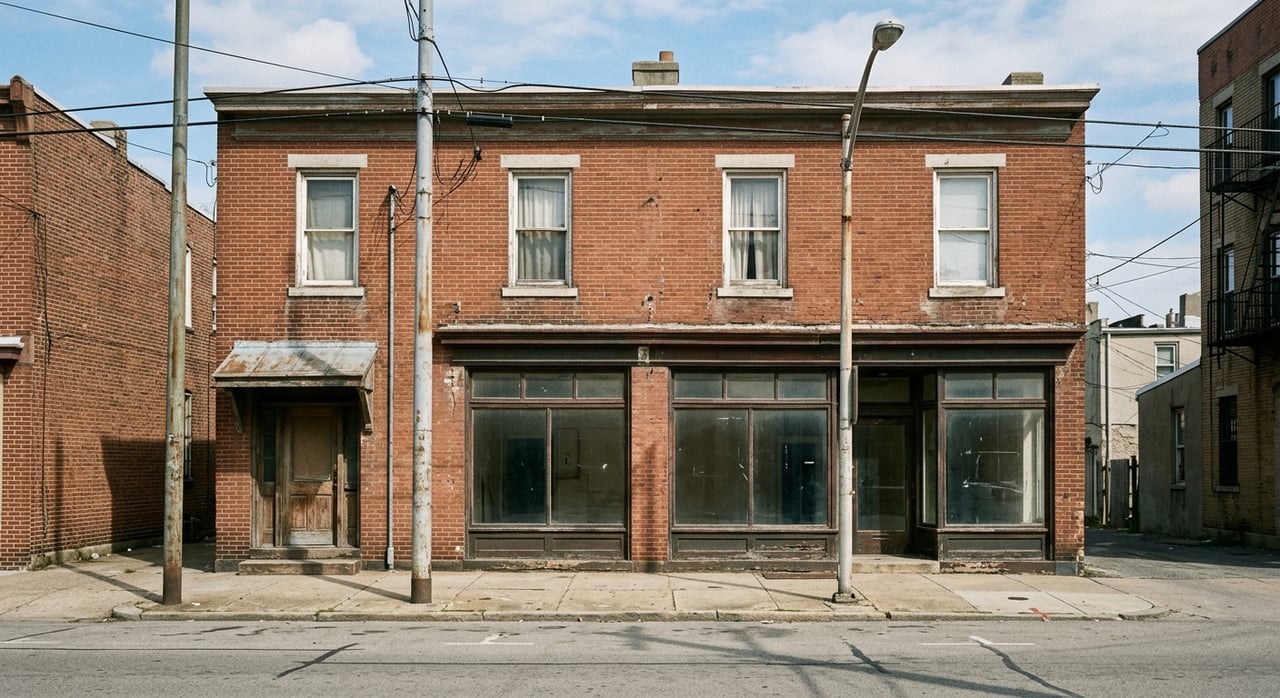
Mixed-use properties can be attractive because they blend residential and commercial income. For example, you might see a storefront with an apartment above or a building in a town-center setting with multiple uses.
That said, mixed-use is not automatically beginner-friendly. The county comprehensive plan points to established town centers and corridor nodes as important places for reinvestment, but that is only a planning signal. You still need to confirm whether the current and future use is actually permitted in the specific municipality.
Light commercial properties
Light commercial space can work for some buyers who want income property or an owner-use opportunity. These deals become much more approachable when the zoning, parking, and permit path are already clear.
For a first investment, light commercial usually makes the most sense when the property already operates in a legal, established use and does not require major redevelopment. If the approval path is uncertain, the learning curve can get expensive fast.
How to Read the Numbers
A good first-pass underwriting model is simple:
- Gross scheduled rent
- Minus vacancy
- Minus operating expenses
- Minus debt service
This quick framework will not answer everything, but it helps you understand whether a deal deserves deeper review. It also keeps you focused on cash flow, not just purchase price or cosmetic appeal.
In Westmoreland County, the median gross rent was $879 per month, or about $10,548 per year. Compared with the county’s median owner-occupied value of $203,500, that creates a rough gross-rent yield proxy of 5.18%. Compared with the February 2026 median listing price of $225,000, the proxy is about 4.69%.
Those figures are only broad benchmarks, but they matter. They show why you should not assume average countywide rent will support a property purchased at a high retail price. If the numbers are tight on paper, the deal can become even tighter after taxes, repairs, turnover, and financing.
Why Conservative Assumptions Matter
Many first-time investors get into trouble by being too optimistic. They assume the property will stay fully occupied, repairs will be minor, and taxes will be easy to estimate. In reality, even a decent-looking property can underperform if your assumptions are too aggressive.
Westmoreland County’s 2023 annual report showed a countywide housing vacancy rate of 12.0%, with 14,946 vacant units in 2022. Vacancy also declined 19.4% since 2018, which shows improvement over time. Still, for underwriting, this supports the case for conservative vacancy and turnover assumptions instead of best-case projections.
It also helps to remember that broad housing-vacancy measures are not the same as your operating vacancy assumption for a specific property. Your actual result depends on the unit type, condition, location, rent level, and management plan. That is why local comps and property-level review matter so much.
Watch the Rent-to-Cost Gap
One useful countywide comparison is the gap between rent and ownership cost. The median monthly owner cost with a mortgage was $1,452, which is about 1.65 times the median gross rent of $879.
For you, that can mean two things. First, renting may remain the lower-cost option for some households in certain submarkets. Second, it highlights why many beginner investors do better when they buy below retail pricing, improve operations, or add value rather than paying top-of-market prices and hoping the rent will catch up.
Property Taxes Can Change the Deal
Taxes are one of the most important line items in Westmoreland County underwriting. The county uses layered taxation, so your final tax picture depends on the county, the municipality, and the school district.
For 2026, the county general millage was 25.00 mills and county debt service was 3.48 mills. Local municipal millage varies widely. The county’s table shows Murrysville at 12.05 mills, North Huntingdon at 15.05 mills, Greensburg at 27.95 mills, and Monessen at 43.02 mills.
That spread is a big deal for beginners. Two properties with similar prices and rents can produce very different cash flow depending on where they sit. Since school millage rates are published separately in July, you need the actual municipality and school district for the specific parcel before you finalize your pro forma.
Zoning Is Local, Not Countywide
This is one of the most important facts in Westmoreland County investing: there is no countywide zoning. Zoning is controlled by individual municipalities, and some municipalities have zoning ordinances while others do not.
That means you should never assume a property’s use is allowed just because it looks like a rental or a mixed-use building. The county directs users to its Municipal Directory to identify the applicable local rules, and building permits are also handled locally under Pennsylvania’s Uniform Construction Code options.
If you are considering a multifamily, mixed-use, or light commercial property, the practical takeaway is simple. Feasibility is a municipality-level question. You need to confirm the current use, the permit authority, and any local requirements before you move forward.
When Redevelopment Adds Complexity
Some properties look attractive because they seem to offer upside through redevelopment, expansion, or a change in use. That can be true, but it also adds another layer of diligence that many beginners underestimate.
If your project involves subdivision or land development, Westmoreland County’s updated SALDO became effective for new submissions on January 1, 2026 in jurisdictions under county review. That matters more when you plan to split a parcel, change the site layout, or physically redevelop the property rather than lease it as-is.
For a first investment, simple is often stronger. A property with a legal existing use and a clear path to operation is usually easier to evaluate than one that depends on approvals, redesign, or major site work.
Questions to Ask Before You Make an Offer
Before you write an offer on an investment property in Westmoreland County, slow down and ask a few practical questions:
- What municipality is the parcel in?
- Is the current use permitted?
- Who issues the permit?
- What are the county, municipal, and school millage rates?
- Does the current rent roll still work after realistic vacancy, taxes, and repairs?
These questions often tell you whether a property is a true rental opportunity, a redevelopment play, or a no-go. They can also save you from overpaying for a property that looks better online than it performs in real life.
A Smart Beginner Strategy in Westmoreland County
If you want a practical path into this market, focus on properties with fewer moving parts. That usually means existing small multifamily or other income properties where use history is clear, repairs are visible, and local approvals are limited.
It also means staying disciplined with your numbers. Use countywide rent and price data as a starting point, not a promise. Then review taxes, vacancy, condition, and local rules for the exact property and municipality.
Westmoreland County can offer real opportunities for beginner investors, but the best results usually come from clear due diligence and realistic expectations. When you keep your first deal simple, local, and data-driven, you give yourself a better chance to build confidence and long-term momentum.
If you are exploring your first investment property in Westmoreland County, working with a local team can help you sort through inventory, municipal differences, and property-level red flags before they become costly surprises. Reach out to Christine Laboon to schedule a consultation and talk through your investment goals.
FAQs
What is a good first investment property type in Westmoreland County?
- For many beginners, a small multifamily property is often the most manageable option because the use may already be established and the deal structure is usually simpler than redevelopment-heavy mixed-use or commercial properties.
How do property taxes work for investment property in Westmoreland County?
- Taxes are layered and can include county, municipal, and school district millage, so you need the exact parcel location to estimate cash flow accurately.
Is zoning the same across all of Westmoreland County?
- No. Zoning is controlled by individual municipalities, and some municipalities have zoning ordinances while others do not.
What rent number should I use when analyzing a Westmoreland County investment property?
- The county median gross rent of $879 per month is a useful starting benchmark, but you should still verify realistic rent, vacancy, and expenses for the specific property and submarket.
Are mixed-use properties beginner-friendly in Westmoreland County?
- They can be, but only when the current use, zoning, parking, and permit path are already clear in the specific municipality.
Why do beginner investors need conservative vacancy assumptions in Westmoreland County?
- Countywide housing vacancy data supports a cautious approach, and conservative assumptions can help you avoid overestimating income and underestimating turnover risk.
What should I confirm before offering on a Westmoreland County rental property?
- At minimum, confirm the municipality, legal use, permit authority, millage rates, and whether the rent roll still works after realistic vacancy, taxes, and repair costs.