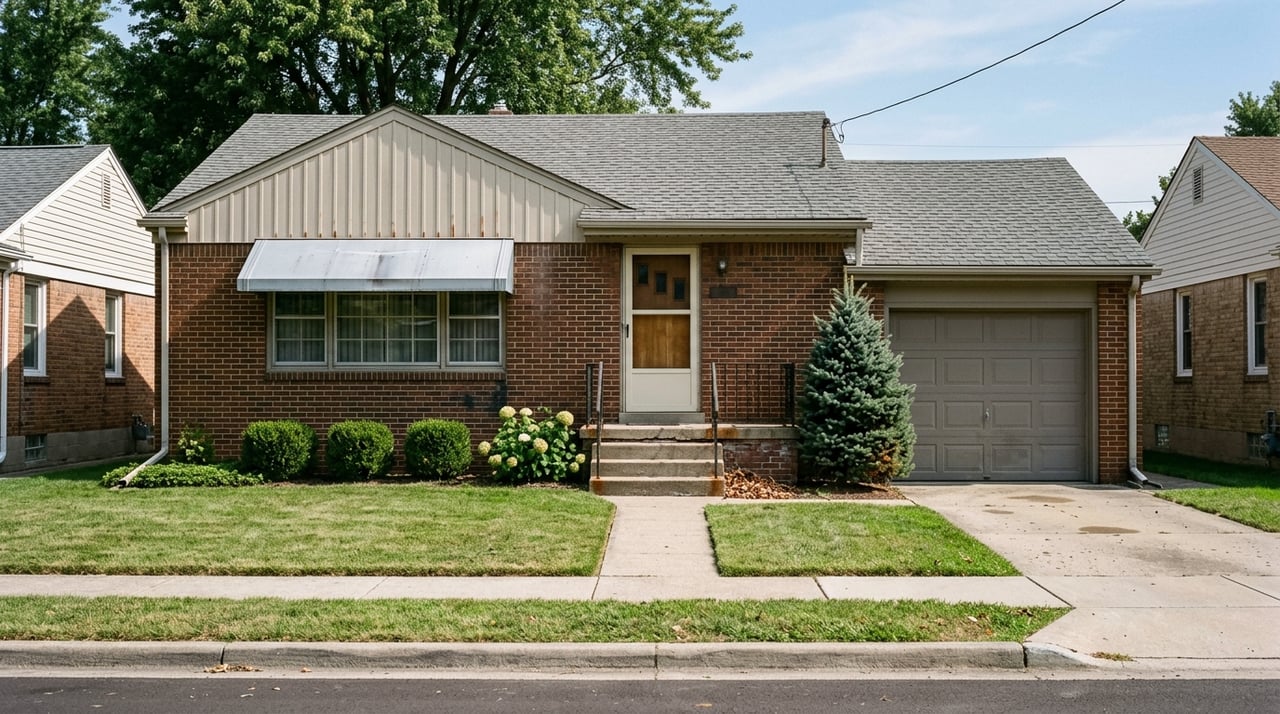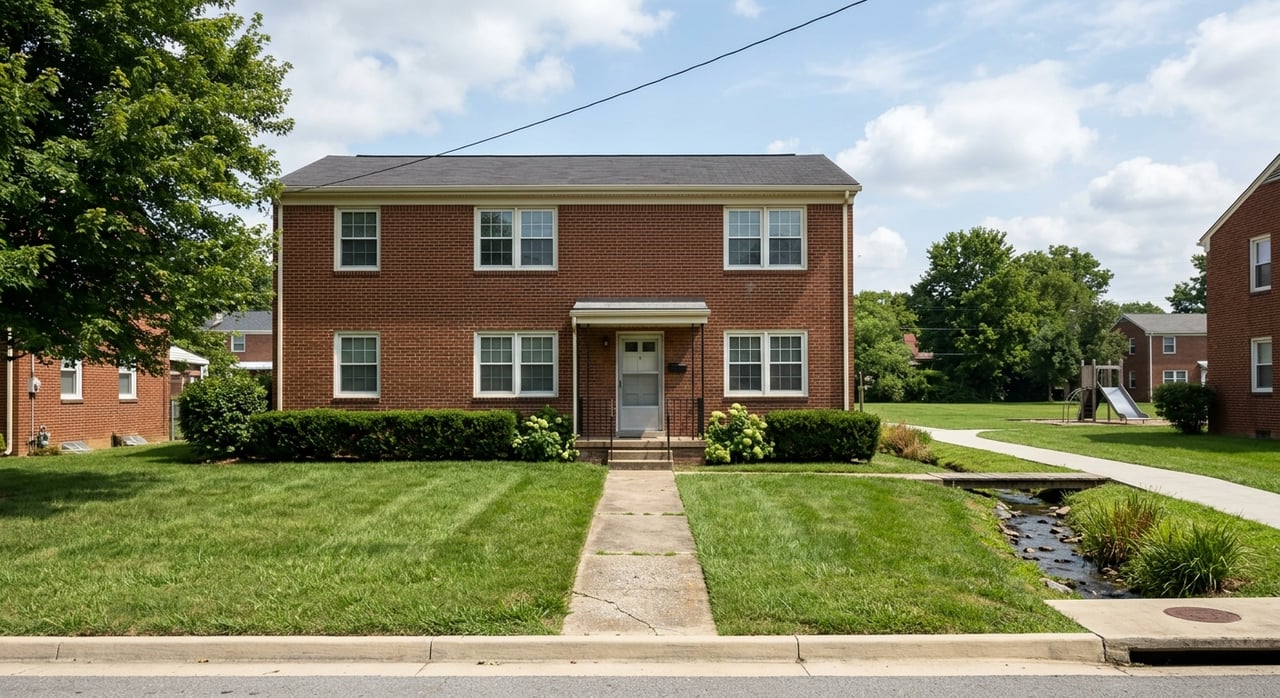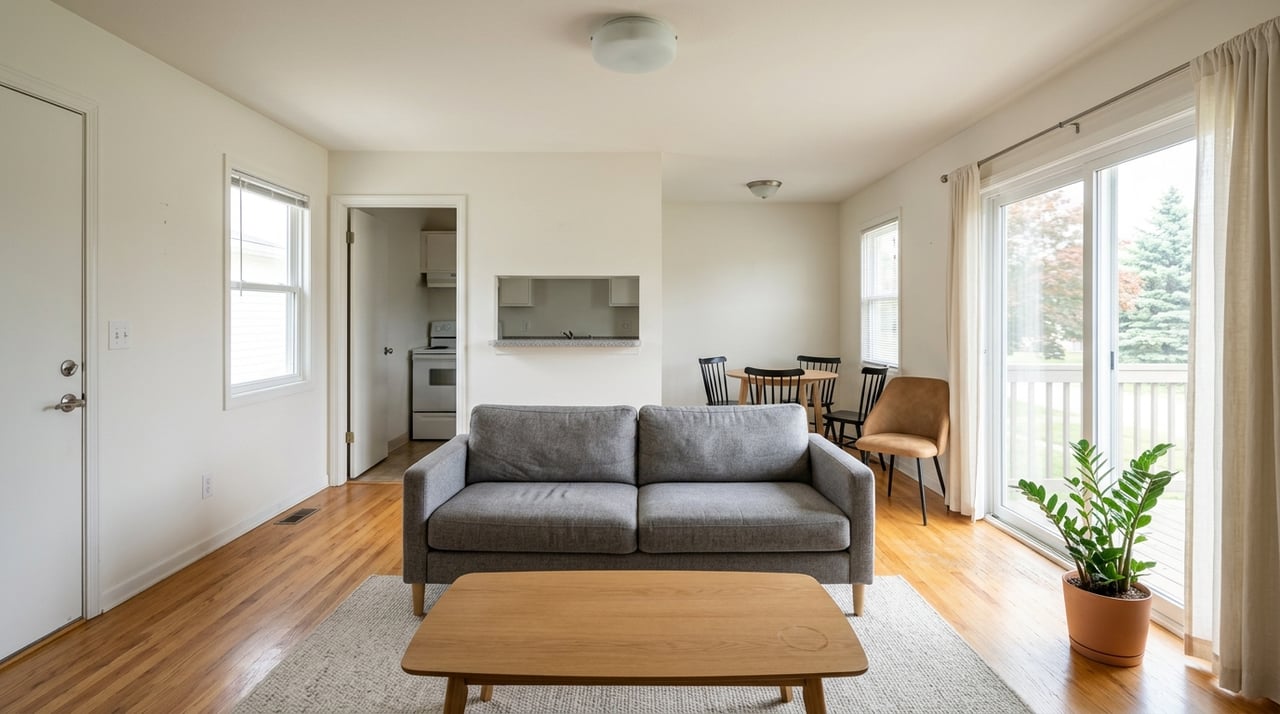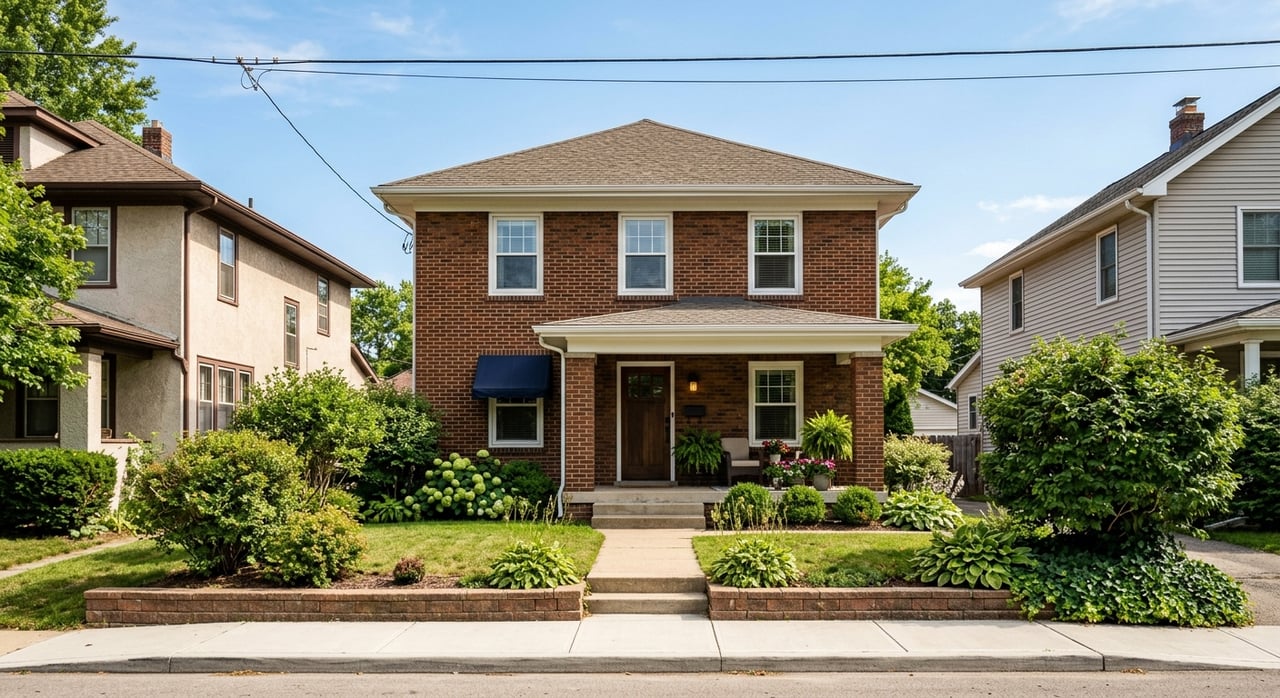
If you are trying to decide where to live in Westmoreland County, you are not choosing between one uniform market and another. You are choosing between different daily rhythms, different patterns of convenience, and different types of space. The good news is that Westmoreland County offers both suburban corridors and small-town or rural pockets, so you can focus on the lifestyle that fits you best. Let’s dive in.
Westmoreland County Offers More Than One Lifestyle
Westmoreland County is large and varied, with more than 1,000 square miles and 65 municipalities. County planning also reflects that variety, with priorities that include repositioning towns, connecting people with parks and nature, and creating transportation choices.
That matters when you start your home search. Instead of thinking about the county as one single type of place, it helps to see it as a continuum. On one end, you have highway-accessible suburban areas with concentrated conveniences. On the other, you have smaller boroughs and rural pockets where open space and a slower pace shape everyday life.
What Suburban Living Looks Like Here
In Westmoreland County, the suburban feel is strongest along major travel and service corridors. Areas around Route 30, Route 119, Route 66, I-70, and the New Stanton Turnpike-66 area tend to offer the most clustered mix of shopping, errands, and recreation.
The Route 30 corridor is a strong example. County park directions use Westmoreland Mall as a landmark for getting to places like Twin Lakes Park and Ann Rudd Saxman Nature Park, which shows how daily errands and outdoor recreation often sit close together in the central part of the county.
For many buyers, that kind of setup can make everyday life feel more efficient. You may be able to bundle errands, dining, and recreation into fewer trips, especially if being near major routes is important to your routine.
Examples of Suburban-Feeling Areas
Murrysville and North Huntingdon are two useful examples of suburban-style living in Westmoreland County. Both are much denser than the county overall, which helps explain why they often feel more neighborhood-oriented and connected to services.
According to U.S. Census QuickFacts, Murrysville has 570.4 people per square mile across 36.83 square miles. It also has a 91.5% owner-occupied housing rate and a median owner-occupied home value of $342,100.
North Huntingdon is even denser at 1,167.9 people per square mile across 27.30 square miles. Its owner-occupied housing rate is 90.1%, and its median owner-occupied home value is $232,400.
For context, Westmoreland County overall has 345.1 people per square mile. That makes both Murrysville and North Huntingdon notably denser than the county average.
What Small-Town and Rural Living Feels Like
The small-town and rural side of Westmoreland County offers a different kind of appeal. In these areas, distance, open space, scenic roads, and trail access often play a bigger role in your daily experience than quick access to large retail corridors.
Ligonier Township is a good example of this lower-density setting. It spans 92.42 square miles but has just 65.5 people per square mile, which is a major contrast to the county’s suburban nodes.
That lower density often creates a different rhythm. You may drive farther between destinations, but in return you may enjoy more space around you and a setting where outdoor access is woven into the landscape.
Parks, Trails, and Open Space Matter More
Westmoreland County’s parks and trails system reinforces that small-town and rural character. The county’s Bureau of Parks and Recreation includes eleven parks and five trails, with examples such as the Westmoreland Heritage Trail through Slickville and Delmont, Great Allegheny Passage access at Cedar Creek Park and West Newton, Loyalhanna Gorge between Latrobe and Ligonier, and Chestnut Ridge Park east of Donegal.
These are not just recreational features on a map. For many people, they shape how an area feels day to day. If you want trail access, scenic drives, and visible open land to be part of your routine, this side of the county may feel like a better match.
Home Values Do Not Follow Simple Assumptions
One of the biggest mistakes buyers make is assuming suburban always means more affordable or that small-town always means less expensive. In Westmoreland County, the numbers show the picture is more nuanced.
Countywide, 78.4% of housing is owner-occupied, and the median owner-occupied home value is $203,500. That is below Pennsylvania’s statewide median of $254,500, which helps frame the county as generally ownership-oriented.
But local differences matter. Murrysville’s median owner-occupied home value is $342,100, while North Huntingdon’s is $232,400 and Ligonier Township’s is $243,200.
That means your choice is not only about price. It is also about what type of setting, density, convenience, and pace you want your money to buy.
How to Compare Your Day-to-Day Lifestyle
When you compare suburban and small-town living in Westmoreland County, it helps to think beyond the house itself. The better question is how you want your weeks to feel once you move in.
Choose suburban living if you want convenience
Suburban-style areas may be a better fit if you want:
- Easier access to major routes like Route 30, Route 119, or Route 66
- Shopping, errands, and recreation clustered closer together
- A denser, more neighborhood-like setting
- A daily routine built around quicker access to services
This type of area often appeals to buyers who want to stay connected to major corridors and keep day-to-day logistics simple.
Choose small-town living if you want space
Small-town or rural-pocket areas may be a better fit if you want:
- More open space around you
- A quieter daily rhythm
- Trail access, parks, and scenic roads nearby
- A lower-density setting with more separation between destinations
This type of area often appeals to buyers who value space and a slower pace more than being close to a concentrated retail corridor.
Four Questions to Ask Before You Decide
If you are torn between suburban and small-town living, ask yourself these practical questions:
- Do you want errands and recreation clustered near major routes, or are you comfortable driving farther between destinations?
- Do you prefer a denser, neighborhood-style setting, or a lower-density area where open space is part of the appeal?
- Is being close to Route 30, Route 119, or Route 66 important to your routine?
- Does your best fit look more like a corridor suburb such as Murrysville or North Huntingdon, or more like a rural pocket such as the Ligonier area?
These questions can help you narrow your search faster. They also make it easier to compare homes based on lifestyle fit, not just square footage or price.
Why Westmoreland County Works for Many Buyers
One of the strengths of Westmoreland County is that you do not have to leave the county to find a very different living experience. You can look at suburban nodes with concentrated conveniences, then compare them with smaller towns and rural pockets where the pace and landscape feel completely different.
That flexibility is especially helpful if your priorities are shifting. You may be moving up, downsizing, looking for more land, or simply trying to find the right balance between access and space.
Finding the Right Fit for Your Move
The right choice usually comes down to how you want to live every day. Some buyers want to stay close to major routes and everyday services. Others are happiest where open space, trails, and a quieter setting are part of the package.
In a county as varied as Westmoreland, local guidance can help you sort through those differences with more confidence. If you want help comparing neighborhoods, boroughs, townships, or properties across the county, Christine Laboon can help you find the fit that makes sense for your goals.
FAQs
What is the difference between suburban and small-town living in Westmoreland County?
- In Westmoreland County, suburban living is usually tied to major corridors like Route 30, Route 119, and Route 66, where services and recreation are more concentrated, while small-town and rural areas tend to offer lower density, more open space, and a slower daily pace.
Which Westmoreland County areas feel more suburban?
- Murrysville and North Huntingdon are two examples that feel more suburban because they are denser than the county overall and are connected to major travel and service corridors.
Which Westmoreland County areas feel more rural or small-town?
- The Ligonier area is a strong example of a lower-density setting, and other outer townships and smaller boroughs across the county can offer a similar small-town or rural feel.
Is suburban living in Westmoreland County always more affordable?
- No. Local housing values vary by municipality, and the research shows that suburban areas like Murrysville can have higher median owner-occupied home values than some lower-density parts of the county.
How can you choose between suburban and small-town living in Westmoreland County?
- Start by thinking about your daily routine, including how important major route access, clustered errands, open space, and trail access are to you, then compare locations based on lifestyle fit as much as home price or size.