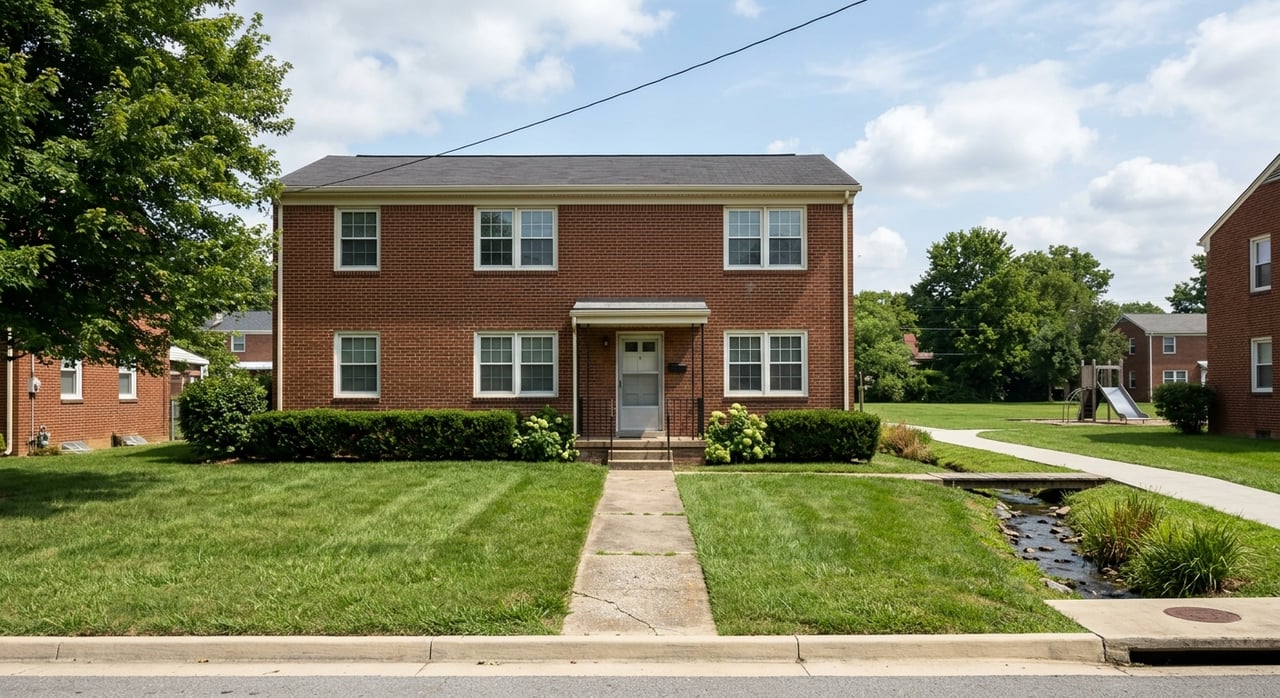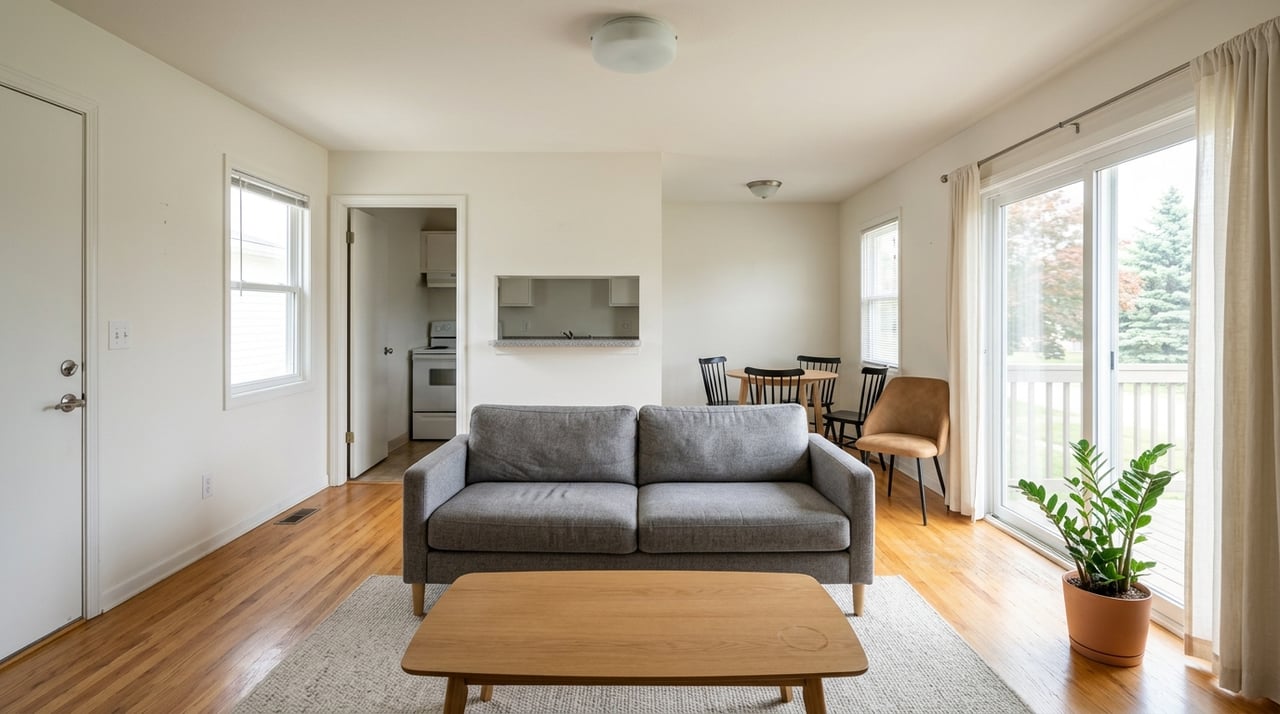
Wondering what kind of homes you’ll actually find as you search in Westmoreland County? You are not alone. In a market where detached houses make up most of the housing stock and many homes were built decades ago, understanding home styles can help you read listings more clearly and choose a property that fits your day-to-day life. Let’s dive in.
Why home style matters in Westmoreland County
Westmoreland County has 169,567 housing units, and about 78% are owner-occupied. Just as important, 82% of the county’s housing is made up of single-unit structures, which means detached homes shape much of the local market.
The county also has an older housing base. Public planning data reports that 25.3% of homes were built before 1950, and another 45.1% were built from 1950 to 1979. That age profile helps explain why certain practical, familiar home types show up again and again in local listings.
Because county data tracks age and structure type rather than architectural style, the most common styles are best understood through the eras when homes were built. In Westmoreland County, that often points buyers toward Cape Cods, farmhouses, ranch homes, and split-levels.
Cape Cod homes in Westmoreland County
Cape Cod homes are often easy to spot once you know what to look for. They typically have a simple rectangular shape, sit at 1 to 1.5 stories, and feature a steep roof with minimal exterior ornament.
In Westmoreland County, a Cape Cod often feels like a compact story-and-a-half home with bedrooms tucked under the roofline. You may also notice dormers, a smaller second floor, and a practical layout that reflects the style’s popularity from about 1925 to 1955.
For buyers, the biggest question is usually not just style but function. When you tour or review photos, pay close attention to roof condition, window updates, and how usable and comfortable the upper-level rooms feel.
What to check in a Cape Cod listing
If a listing calls a home a Cape Cod, look beyond the label and study the details:
- Rooflines and dormers
- Ceiling height upstairs
- How much second-floor space is truly usable
- Window condition and replacement history
- Overall comfort of upper-level bedrooms
A Cape Cod can be a great fit if you like a smaller footprint and classic curb appeal. It may be less ideal if you want wide-open upper-level spaces or a layout with everything on one floor.
Farmhouses across Westmoreland County
Farmhouse is probably the broadest label on this list. Unlike some styles with a tighter design formula, farmhouse often refers to a practical rural home type rather than one exact architectural blueprint.
Traditional farmhouses were usually built with local materials and often featured wider footprints, large porches, simple plans, open kitchens, and one- or two-story layouts. In Westmoreland County, that can mean an original rural home in an agricultural setting or a newer home that borrows farmhouse-inspired design cues.
That difference matters when you are reading a listing. A true older farmhouse may have very different maintenance needs than a newer build with farmhouse styling.
How to read the word “farmhouse” in a listing
When you see farmhouse in MLS remarks or listing descriptions, ask yourself:
- Is this an older rural home or a newer farmhouse-inspired design?
- Does the setting match the label?
- Are the porch, windows, and exterior materials original or updated?
- How much maintenance might come with the home’s age?
Because Westmoreland County has a large share of older homes, some farmhouses may need more attention to paint, windows, porches, and major systems. Photos can tell you a lot, but the property’s setting and age usually tell you even more.
Ranch homes in suburban neighborhoods
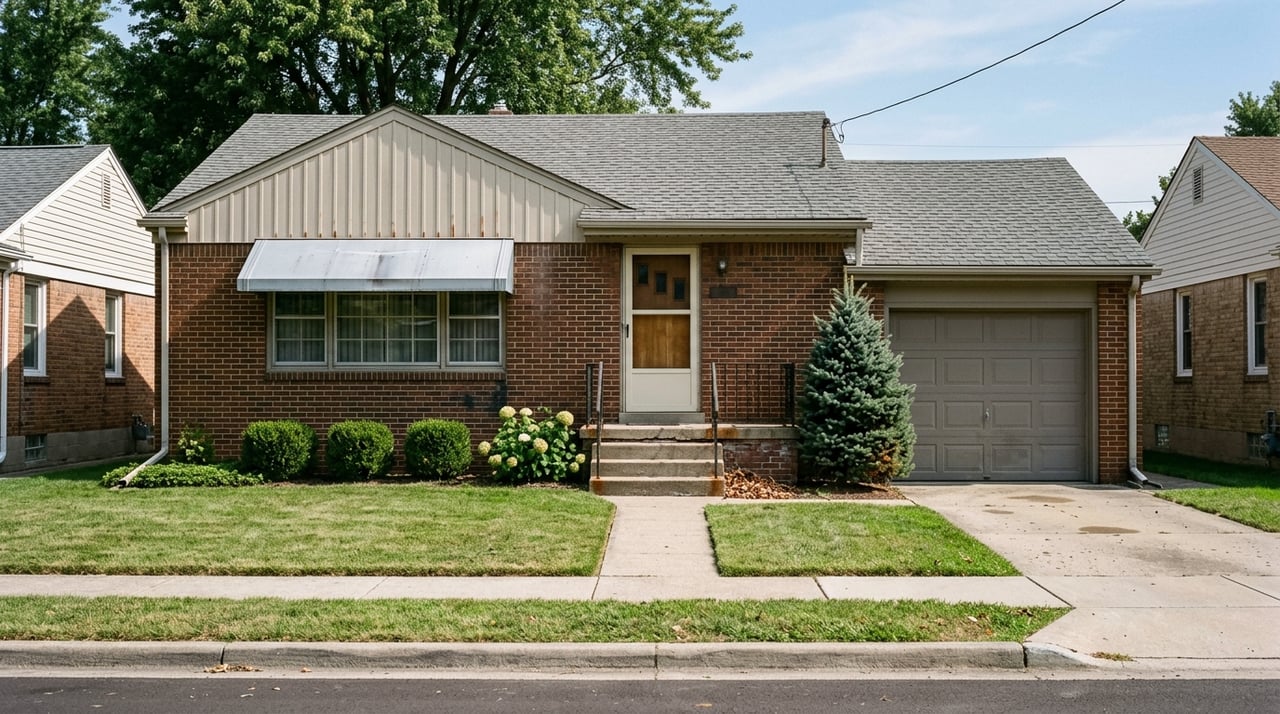
If you want simple daily living, the ranch may be the easiest style to understand. Ranch homes are typically single-story houses with a low, long profile, large windows, and often an attached garage.
This style peaked in the 1950s and became a natural fit for postwar suburban development. In Westmoreland County, ranch homes often appeal to buyers who want straightforward circulation and fewer stairs.
That practical layout is a big reason ranches remain popular. When most of the important living space sits on one level, day-to-day movement is often simpler and the home can feel easier to manage.
Why buyers often like ranch homes
Ranch homes may be a strong option if you are looking for:
- Main living on one level
- Simpler day-to-day movement
- A manageable layout
- A home type common in mid-century suburban areas
For downsizers and buyers planning for long-term ease of use, ranch homes often stand out quickly. They may also be a smart style to prioritize if you know stairs are not part of your ideal setup.
Split-level homes and staggered layouts
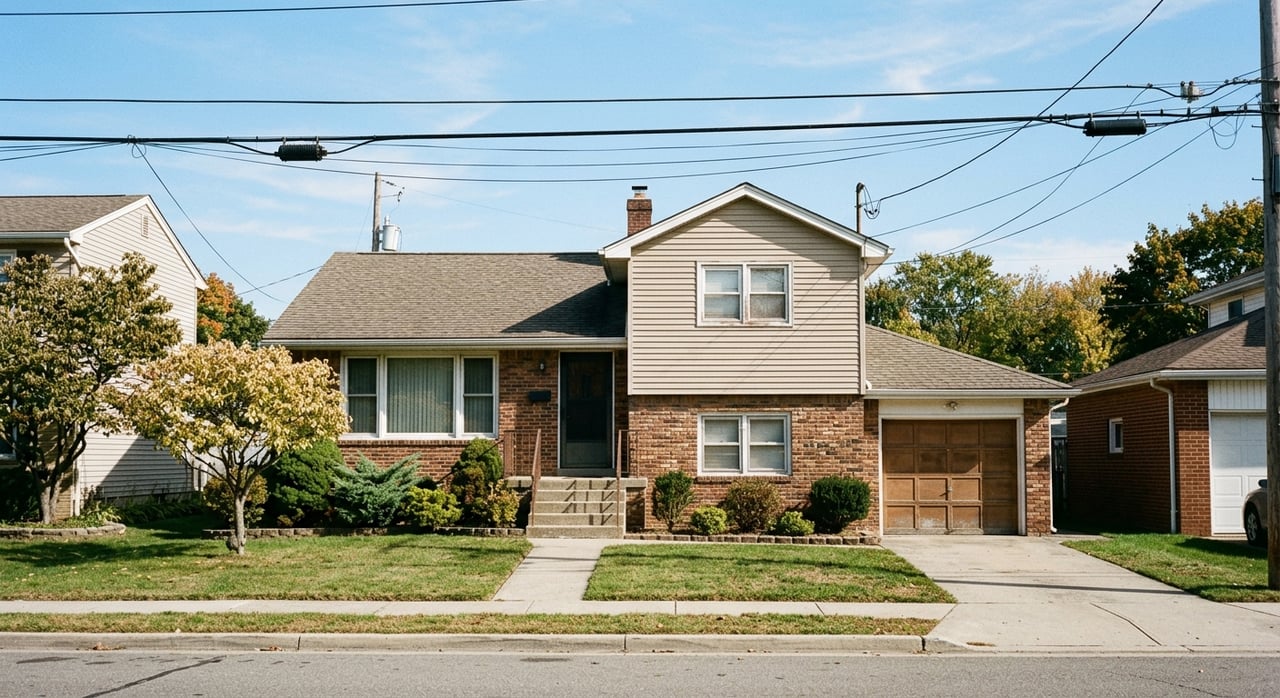
Split-level homes became popular from the late 1950s through the 1970s. They are usually organized across three or more staggered levels connected by partial staircases, often with minimal decorative detail and an integrated garage.
In practical terms, split-levels are all about separation. The kitchen, living room, and dining room often sit on the main level, while other floors are used for bedrooms, lower-level living areas, or utility space.
That layout can work very well for buyers who want separate zones for activity, quiet, storage, or flexible use. At the same time, it is usually not the best fit if you want a no-stairs home or a layout that is easy to rework.
What to notice in split-level photos
When reviewing a split-level listing, focus on how the levels connect:
- Where is the main entry?
- How many partial stair runs are there?
- Where are the bedrooms located?
- Is the lower level finished or unfinished?
- How separated do the living areas feel?
Because split-level homes tend to assign each level a specific role, the layout matters as much as square footage. A home may look roomy in photos, but the flow between levels is what will shape everyday living.
How to match style to your lifestyle
The best home style for you depends less on the label and more on how you live. In Westmoreland County, many buyers are choosing among practical older homes, so the key is to connect the style to your priorities.
If you want fewer stairs and simpler movement, a ranch may be the clearest fit. If you like separated spaces and do not mind stairs, a split-level could work well.
If you are drawn to charm and compact design, a Cape Cod may be worth a close look. If you want a rural setting, broad porch appeal, or a property with land, a farmhouse may be the style that gets your attention.
Questions to ask about older homes
Because much of Westmoreland County’s housing stock was built before 1978, age-related maintenance matters no matter which style you prefer. The county’s lead-safe program specifically focuses on homes built before 1978, with common remediation targets including windows, doors, paint stabilization, and rehab-related items.
That does not mean every older home has the same issues. It does mean you should ask clear questions when a property falls into that age range.
Smart questions for pre-1978 homes
Use this quick checklist when evaluating an older home:
- Has any lead-safe work been completed?
- Have windows or doors been replaced or repaired?
- Has peeling or deteriorating paint been stabilized?
- What rehab or renovation work has been done?
- Are porch elements, trim, and exterior materials original or updated?
These questions can help you move from liking a style to understanding the real condition of the property. That is especially important in a county where older detached homes make up such a large share of the market.
Reading listing photos with more confidence
A good listing can give you clues before you ever walk through the door. Once you know the typical traits of these styles, you can scan photos and remarks more strategically.
A Cape Cod usually suggests a steep roof, possible dormers, and smaller upper-level rooms. A ranch usually signals one-level living. A split-level usually means half-flights of stairs and separated zones. A farmhouse may require the most context, since the label can describe either an older rural property or a newer home with farmhouse-inspired design.
This is where local market knowledge helps. In Westmoreland County, understanding the age of the home, the setting, and the layout often tells you more than the style label alone.
If you are buying or selling in Westmoreland County and want practical guidance on what a home style really means in today’s market, Christine Laboon can help you sort through the details and make a confident next move.
FAQs
What home styles are common in Westmoreland County, PA?
- Westmoreland County listings often point buyers toward Cape Cods, farmhouses, ranch homes, and split-levels, based on the county’s older housing stock and the eras when many homes were built.
What does a Cape Cod home usually mean in Westmoreland County?
- In Westmoreland County, a Cape Cod often means a compact 1.5-story home with a steep roof, possible dormers, and bedrooms tucked under the roofline.
Why are ranch homes popular with Westmoreland County buyers?
- Ranch homes are popular because the main living space is usually on one level, which can make day-to-day movement simpler and more manageable.
How is a split-level home different from a ranch home in Westmoreland County?
- A split-level home uses staggered levels connected by partial stairs, while a ranch usually keeps the main living space on a single floor.
What should you ask about pre-1978 homes in Westmoreland County?
- You should ask about lead-safe work, windows, doors, paint stabilization, and past rehab work, since the county’s lead-safe program focuses on homes built before 1978.
Does the word farmhouse always mean an older rural home in Westmoreland County?
- No. In Westmoreland County, farmhouse can describe either an original rural home or a newer house using farmhouse-inspired design features.