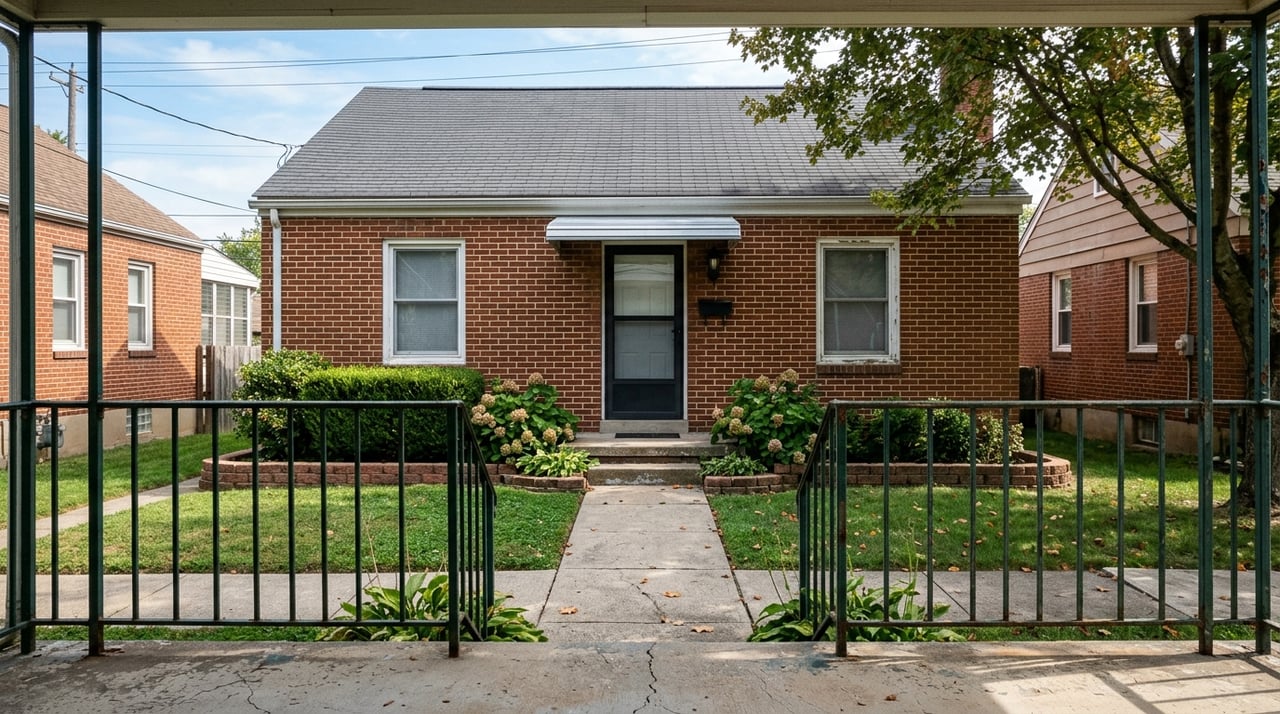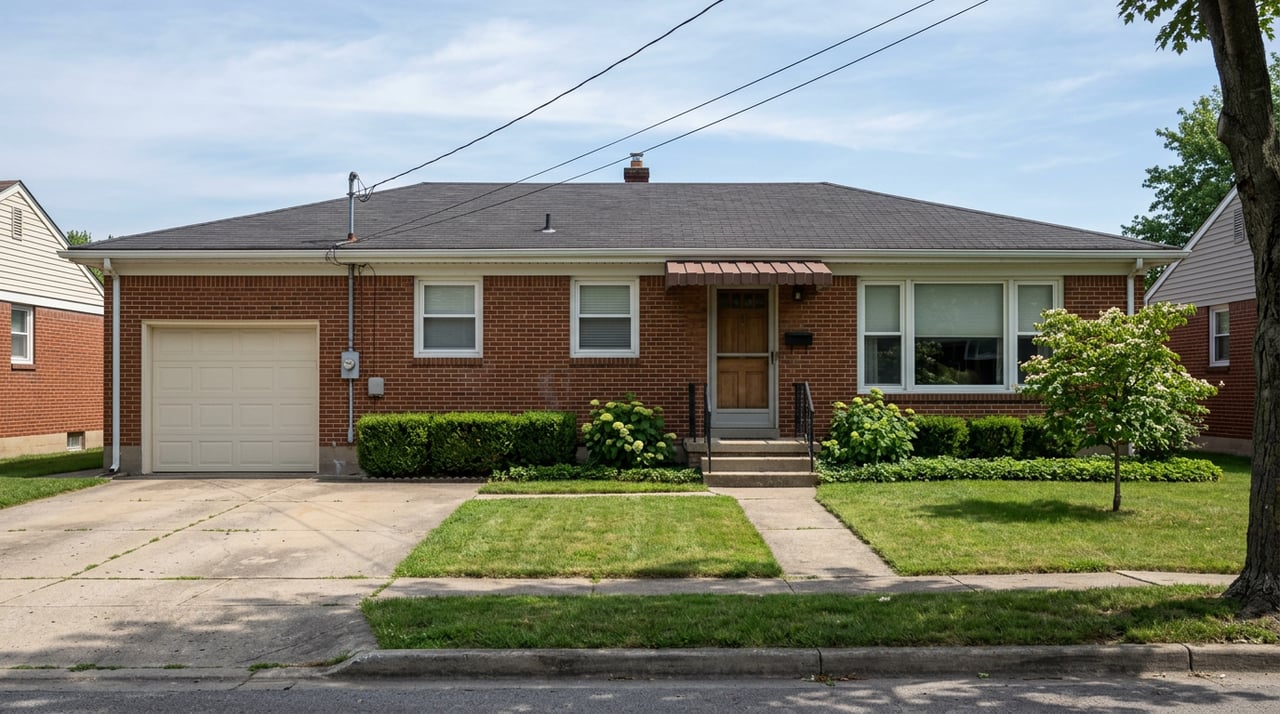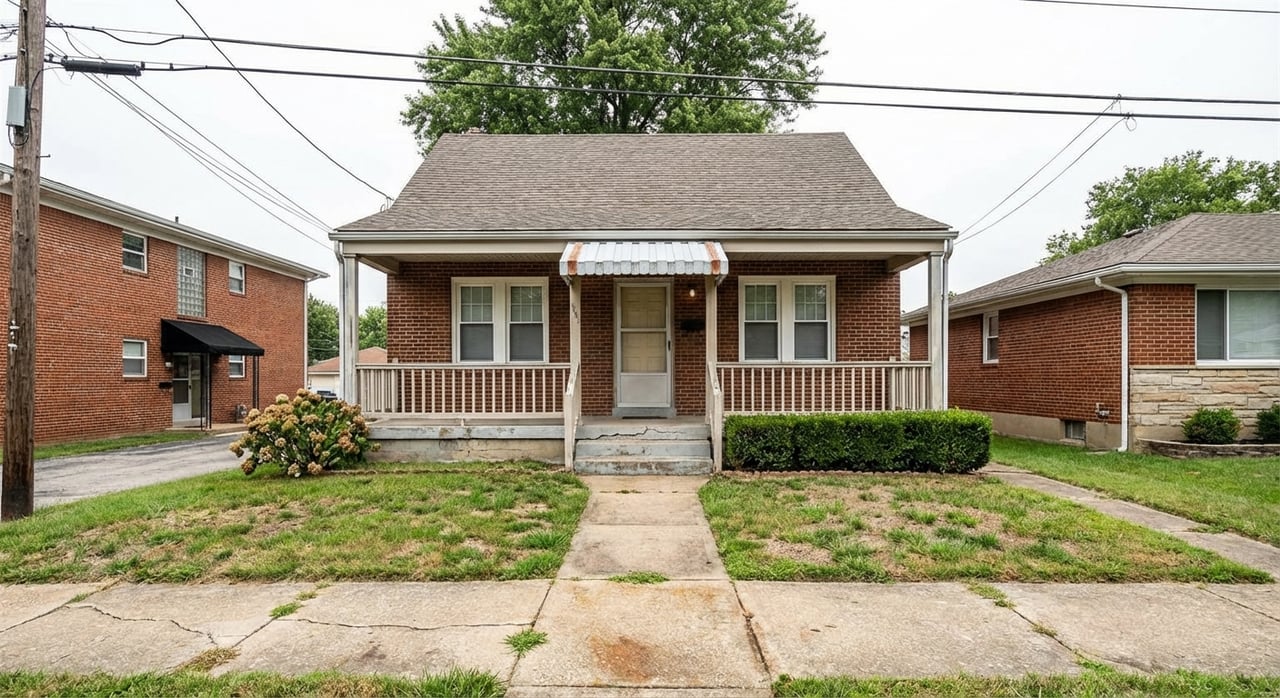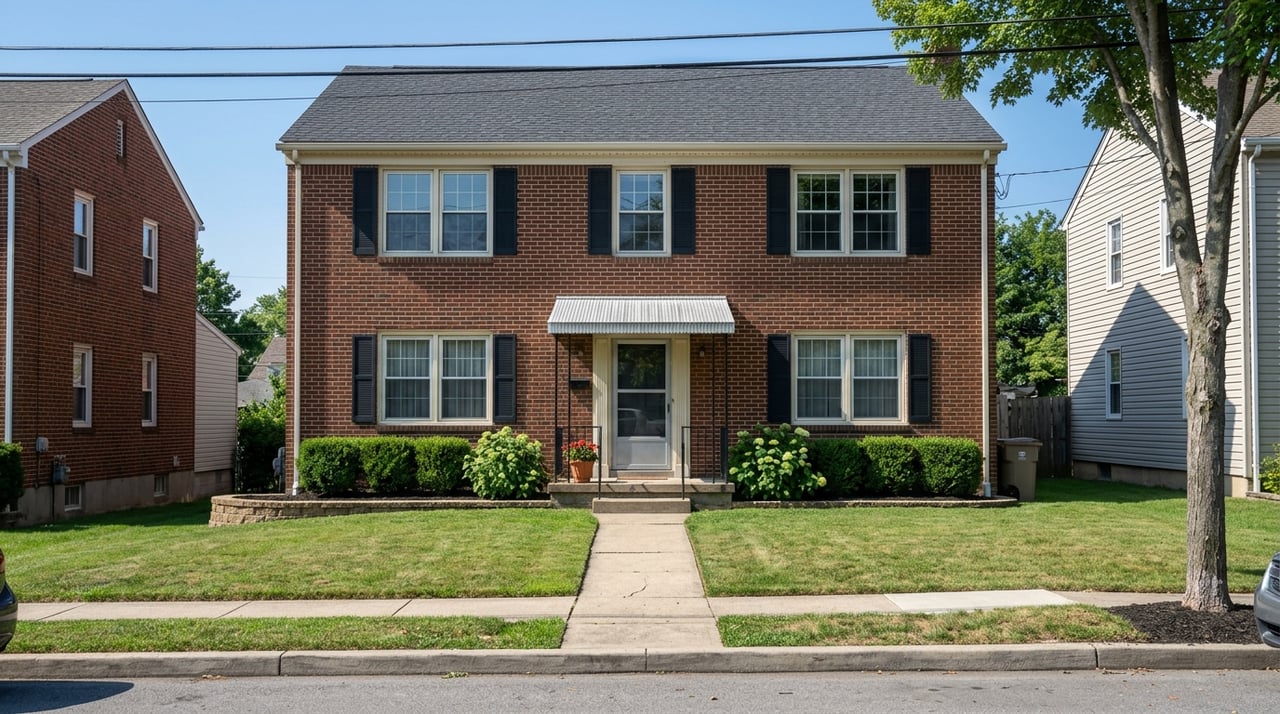
If you are getting ready to sell your home in Westmoreland County, timing and preparation can make a bigger difference than many sellers expect. In a market where homes are not always moving overnight, buyers tend to notice condition, pricing, and presentation right away. The good news is that with the right plan, you can reduce surprises and put your home in a stronger position before it ever hits the market. Let’s dive in.
Understand the Westmoreland County market
Before you make a to-do list, it helps to know what kind of market you are stepping into. As of February 2026, Realtor.com’s Westmoreland County housing data describes the county as a balanced market with about 1.5K homes for sale, a median listing price near $220K, a 98% sale-to-list ratio, and a median 71 days on market.
At the same time, Redfin reported a median sale price of $219K, up 4.8% year over year, with homes averaging 105 days on market. While those timelines differ because each platform uses different methods, both reports point to the same takeaway: pricing and presentation matter just as much as timing.
It is also important to remember that countywide numbers do not tell the whole story. City-level data within Westmoreland County shows that areas like Greensburg, New Kensington, and Latrobe can move at different speeds, which means your strategy should reflect your local market, not just the county average.
Start preparing earlier than you think
If your goal is to sell during spring, do not wait until spring to start. According to Realtor.com’s sell-time research, spring is traditionally a prime selling season, and sellers often benefit from finishing prep work before demand peaks.
That means your best move is to handle repairs, disclosures, pricing conversations, and photography planning in advance. When your home is ready before the market window opens, you are in a better position to list with confidence instead of scrambling through last-minute decisions.
Focus on repairs buyers will notice
You do not need to renovate everything to prepare your home for sale. In many cases, the most valuable work is fixing the issues buyers see right away or the problems that may come up during inspection.
According to the National Association of REALTORS, a pre-sale inspection guide for sellers notes that common concerns include the roof, structure, plumbing, electrical systems, heating and cooling, insulation, and ventilation. A pre-listing inspection is not required in Pennsylvania, but it can help you spot issues early and reduce the chance of stressful renegotiations later.
For many Westmoreland County sellers, smart pre-listing fixes include:
- Repairing leaks
- Tightening loose fixtures
- Addressing drainage concerns
- Touching up peeling paint
- Replacing burned-out light bulbs
- Cleaning or servicing key systems
- Gathering warranties and manuals for appliances or systems staying with the home
NAR also recommends costing out major items like a roof, HVAC system, or major appliance even if you do not plan to replace them before listing. That way, if a buyer raises concerns, you already have a realistic sense of the issue and can respond clearly.
Know your Pennsylvania disclosure duties
Seller disclosures are a major part of preparing to sell in Pennsylvania. Under Pennsylvania’s Seller Disclosure Law, you must provide a signed property disclosure statement before the agreement of transfer.
The form covers a wide range of topics, including:
- Roof condition
- Basement and crawl spaces
- Termites and other pests
- Structural issues
- Additions or remodeling
- Water and sewage systems
- Plumbing
- HVAC
- Electrical systems
- Appliances
- Soils, drainage, and boundaries
- Hazardous substances
- HOA matters
- Legal or title issues
You are not required to investigate every possible issue, but you cannot knowingly leave out a material defect. If something changes before closing, you also need to update the buyer if your earlier disclosure is no longer accurate.
Price for your market, not your memories
One of the biggest mistakes sellers make is choosing a price based on what they hope to get instead of what the market supports. Your home may hold years of memories, upgrades, and effort, but buyers will still compare it to other available homes and recent sales.
The National Association of REALTORS explains in its pricing guide for consumers that pricing should begin with comparable sales and a comparative market analysis, or CMA. Agents consider square footage, location, amenities, condition, current market conditions, and your timeline when recommending a listing price.
If you want a faster sale, a more competitive price often matters. In a balanced market like Westmoreland County, overpricing can lead to extra days on market and reduced leverage when buyers start to wonder why a property has not sold.
Stage the rooms that matter most
Staging does not have to mean renting a truckload of designer furniture. At its core, staging means cleaning, simplifying, and arranging your home so buyers can picture themselves living there.
In NAR’s 2025 staging report, 29% of agents said staging increased the dollar value offered by 1% to 10%, and 49% said it reduced time on market. The rooms buyers cared about most were the living room, primary bedroom, and kitchen.
If you are deciding where to spend your effort, start here:
- Declutter shelves, counters, and floors
- Deep clean kitchens and bathrooms
- Remove extra furniture to improve flow
- Freshen the front entry and curb appeal
- Make the living room feel open and bright
- Simplify the primary bedroom
- Clear kitchen counters except for a few essentials
These updates help buyers focus on the home itself rather than your belongings.
Get ready for photos and launch day
Once your home is repaired, cleaned, and priced, your launch matters. NAR says marketing a home effectively often includes staging, professional photography, social media, signage, open houses, and MLS exposure.
That early presentation is important because many buyers first meet your home online. Clear photos, a thoughtful listing strategy, and a strong first weekend can help you capture attention while your home is still fresh to the market.
NAR also notes that the first open house the weekend after listing can help maximize exposure when it does not conflict with competing local events. In a market where buyers are comparing options carefully, those first impressions can shape the pace and quality of interest.
Expect more than just a price in offers
When offers come in, the highest number is not always the strongest one. According to NAR’s guide to navigating offers, sellers should look at financing strength, contingencies, earnest money, and the proposed closing timeline.
For example, a slightly lower offer with stronger financing and fewer contingencies may be less risky than a higher offer that has more chances to fall apart. Repair concessions or closing cost help can also be part of a workable deal when the contract terms are clear.
This is one reason planning ahead matters so much. When you understand your home’s condition, your pricing, and your goals before listing, you can evaluate offers with a clearer head.
Prepare for the closing process
Once you accept an offer, the sale moves into the closing phase. NAR explains that after a purchase agreement is signed, earnest money is typically held in escrow, the buyer’s lender may order an appraisal, a title search is completed, and the buyer usually does a final walkthrough before closing.
These steps often take several weeks or longer, so it helps to be organized. Keep documents easy to access, respond quickly to requests, and stay ready for the next milestone rather than assuming the hard part is over once you accept an offer.
Westmoreland County also has some local recording details worth knowing early. According to Westmoreland County recording requirements, recorded real estate documents should identify the property’s municipality, county, and state, and the county requires a 10-digit PIN, UPI codes, and a county tax map number on recording documents. The county also notes that transfer taxes or a Statement of Value must accompany most transfers unless an exemption applies, and Pennsylvania imposes a 1% state realty transfer tax while local transfer tax may also apply.
Why local guidance matters
Selling a home involves more than putting a sign in the yard. From comparable sales and repair decisions to disclosures, marketing, negotiations, and closing details, each step affects the next.
The National Association of REALTORS describes working with a REALTOR as having a trusted advisor through listing, marketing, negotiation, and closing. For sellers in Westmoreland County, local guidance can be especially helpful because neighborhood conditions, buyer expectations, and timing can vary more than the county averages suggest.
If you are preparing to sell, the best first step is a realistic plan built around your home, your timeline, and your local market. When you are ready for practical guidance and a full-service approach, connect with Christine Laboon to schedule a free consultation and start preparing with confidence.
FAQs
What is the housing market like for sellers in Westmoreland County?
- Westmoreland County is considered a balanced market, with February 2026 data showing about 1.5K homes for sale, a median listing price around $220K, and homes taking weeks, not just days, to sell, which makes pricing and presentation especially important.
Should you get a pre-listing inspection before selling a home in Pennsylvania?
- A pre-listing inspection is not required in Pennsylvania, but NAR says it can help identify issues early, reduce surprises during buyer inspections, and give buyers more confidence.
What do Pennsylvania sellers have to disclose when selling a home?
- Pennsylvania sellers must provide a signed property disclosure statement before the agreement of transfer, covering topics like the roof, basement, pests, structural issues, plumbing, HVAC, electrical systems, appliances, drainage, and legal or title concerns.
How should you price your home in Westmoreland County?
- Your pricing should be based on comparable sales, your home’s condition and features, current market conditions, and your timeline, rather than on county averages alone or personal expectations.
Does staging really help when selling a home in Westmoreland County?
- Yes, NAR’s 2025 staging report found that staging often helps reduce time on market, and some agents reported a 1% to 10% increase in the dollar value offered, especially when the living room, primary bedroom, and kitchen are well presented.
What happens after you accept an offer on a home in Westmoreland County?
- After you accept an offer, the transaction usually moves through escrow, appraisal, title work, and a final walkthrough before closing, and local recording requirements and transfer tax details also need to be handled properly.