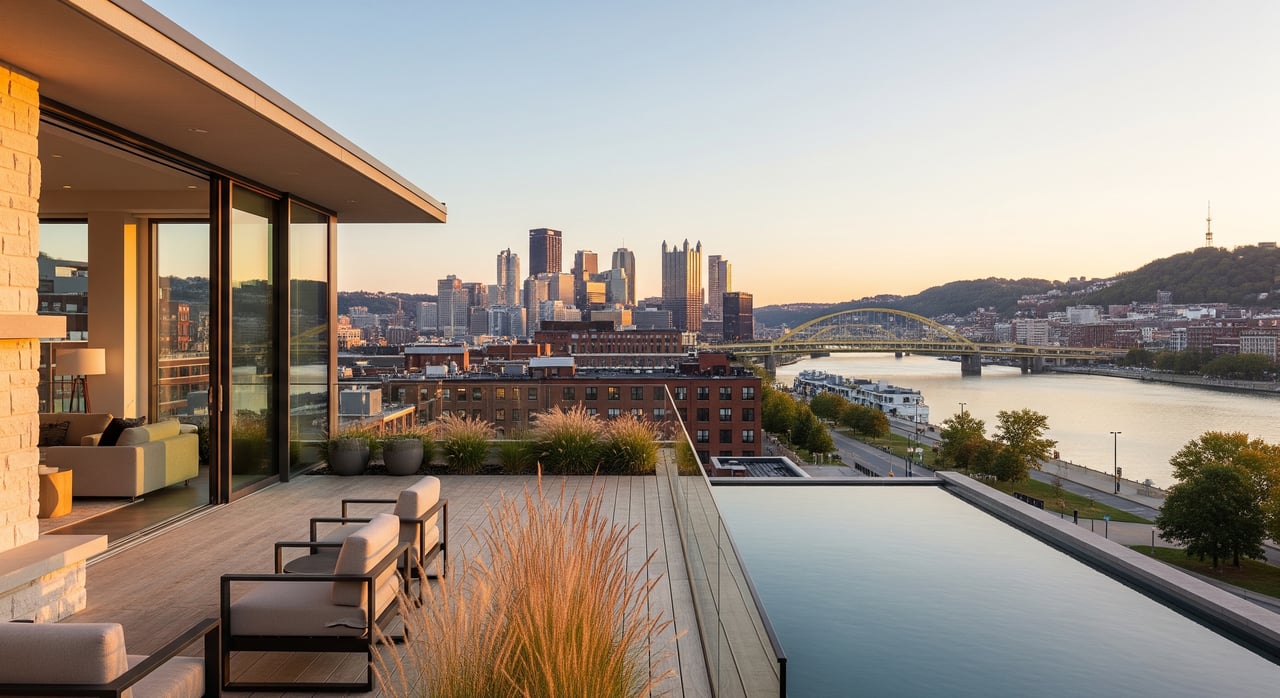
Water views, city energy, and a front-row seat to trails and stadiums. If Pittsburgh’s rivers are calling your name, you are not alone. Living near the Allegheny, Monongahela, or Ohio can put you close to jobs, parks, dining, and year-round events. In this guide, you will learn what daily life looks like along the river, the housing you will find, the pros and tradeoffs, and how to choose the right neighborhood for your lifestyle. Let’s dive in.
Riverfront living at a glance
Pittsburgh’s rivers meet at the Point, where downtown, the North Shore, and the South Side frame the water. The riverfront is not one type of place. You will find high-rise condos near parks and stadiums, historic brick rowhouses by lively nightlife, and quieter single-family pockets a short drive away.
Bridges and trails shape daily life. Many river-level streets are flatter and connect to the Three Rivers Heritage Trail, so walking and biking feel natural for short trips. The result is a lifestyle that can be active and convenient, with quick access to parks, markets, and cultural spots.
Day-to-day mobility and errands
Walking and biking: The Three Rivers Heritage Trail runs along much of the waterfront and ties into riverwalks. You will see commuters, runners, and cyclists using it daily. If you like to leave the car at home, these paths help make it possible.
Transit and driving: Riverfront neighborhoods have frequent bus service and access to light rail in select areas. The Monongahela Incline links the South Side to Mount Washington. Bridges create direct routes, but rush hours and stadium events can slow traffic. Expect heavier crowd days around games and festivals on the North Shore and at the Point.
Parking: Downtown and the North Shore rely on garages and paid parking. In older, dense areas like the South Side Flats, street parking can be limited, especially near bars and restaurants.
Groceries and daily needs: Options vary. Downtown and the North Shore have fewer large-format stores but growing choices. The Strip District and Lawrenceville offer specialty markets and food retailers that many residents use for weekly shopping.
Neighborhood snapshots along the rivers
Downtown and North Shore
If you want walk-to-everything convenience, this area puts you near stadiums, riverfront parks, and promenades. On game days, you can feel the surge of energy. On quieter mornings, you can sip coffee by the river and watch boats pass.
Housing leans toward condos and apartments, often with garage parking and building amenities. You trade a traditional yard for river views and easy access to the trail and Point State Park. It is ideal if you value event proximity and short commutes, less ideal if you want silence on game nights.
Strip District and Lawrenceville
Along the Allegheny River corridor, former warehouses now hold lofts, markets, and restaurants. The Strip District buzzes with food stalls and eateries during the day. Lawrenceville blends rowhouses, new townhome and condo projects, and a strong local dining scene.
On weekends, residents run or bike the river trail, grab produce and coffee in the Strip, then meet friends at a brewery or gastropub. Expect a mix of converted industrial spaces with exposed brick and newer construction. Prices often reflect the draw of walkable amenities and quick access to downtown.
South Side Flats and South Shore
Across the Monongahela, the South Side Flats pack historic rowhouses, shops, and nightlife into walkable blocks. The South Shore’s Station Square offers riverfront dining and a tourist-friendly boardwalk feel in restored rail-era buildings.
Here, the trail is part of your routine. You can bike to work, stroll the river in the evening, and hop an incline ride for a Mount Washington overlook. Parking can be tight in the Flats. If you like historic homes and lively streets, this area will feel like home.
Homestead, The Waterfront, and nearby boroughs
A short drive downriver, former mill sites have become shopping, entertainment, and residential hubs. The Waterfront in Homestead and parts of Munhall blend newer housing with retail and dining. You still get easy trail access and river views, but with a little more breathing room than downtown.
If you want newer construction and convenient parking, these communities deliver. You trade an ultra-urban vibe for a balanced, mixed-use environment that draws both locals and visitors.
Recreation and culture by the water
The rivers are an everyday backdrop. In warmer months, kayaking, canoeing, and river boating are common sights. Public launch points, seasonal rentals, and instructional groups help newcomers get started. Always follow local safety guidance and check conditions.
The North Shore and Point State Park host festivals, concerts, and public events throughout the year. Stadium schedules add regular spikes of energy. If you enjoy an active, social environment, the riverfront offers plenty to do without getting in the car.
Dining spans casual riverfront eateries, neighborhood markets in the Strip District, and brewery and gastropub clusters in Lawrenceville and the South Side. Retail hubs like Station Square and The Waterfront bring shopping, restaurants, and entertainment together in one stop.
Housing types and what to expect
- Converted warehouses and lofts: Open floor plans, tall ceilings, and exposed brick in the Strip District and parts of Lawrenceville and the North Shore.
- Mid- and high-rise condos: Downtown and North Shore buildings with garage parking, amenity spaces, and HOA or condo fees.
- Historic brick rowhouses: South Side Flats and pockets of Lawrenceville with walk-up layouts and narrow homes on dense blocks.
- Single-family homes nearby: Hillside neighborhoods like Troy Hill and Millvale, or boroughs near redeveloped river areas, offer more space with a short trip to the water.
Prices generally rise with river views, walkability, and proximity to downtown and retail. Newer projects and vibrant dining scenes often carry premiums. Inventory and pricing can change quickly by block, so expect micro-market differences and plan for a neighborhood-by-neighborhood search.
Flood risk and due diligence
Flood risk along the rivers varies by elevation and exact location. Some low-lying parcels fall within FEMA-designated floodplains. Other areas sit on bluffs or elevated streets, which reduces risk, but there are exceptions.
Treat flood checks as routine, not a deal-breaker. Here is a sensible approach:
- Verify the specific parcel on FEMA Flood Insurance Rate Maps and local floodplain maps.
- Ask your lender about flood insurance requirements for the property.
- Review the home’s lower-level layout. Basements and older foundations can be vulnerable in low-lying areas.
- Budget for flood insurance if needed, and weigh that cost alongside HOA fees or maintenance.
Pros and tradeoffs of riverfront life
What residents love:
- Scenic water views and a strong connection to parks and trails.
- Walkable access to jobs, cultural venues, and stadiums.
- Active street life with restaurants, markets, and events close by.
- Strong biking and pedestrian infrastructure along riverwalks.
Tradeoffs to consider:
- Crowds, noise, and traffic around stadium events and festivals.
- Variable parking, especially in older rowhouse areas.
- Site-specific flood risk and possible flood insurance needs.
- Tourist-heavy zones near certain attractions.
How to choose your best-fit neighborhood
- Map trail access, your commute, and daily errands. If you plan to walk or bike often, focus on homes with direct trail connections.
- Visit at different times. Compare a weekday morning, a weekend evening, and a game day to understand noise and traffic.
- Test transit routes. Confirm bus or rail options for your specific commute, and note any incline connections.
- Check parking realities. Look at on-street rules, garage options, and guest parking for condos or rowhouse blocks.
- Review building type and costs. Compare HOA or condo fees to the maintenance needs of older homes.
- Complete flood due diligence. Confirm maps, insurance, and any seller disclosures on past water events.
When you are ready to narrow the options, talk with a local expert who knows the block-by-block differences and can help you weigh amenities, costs, and lifestyle fit. If you are moving from or to nearby suburbs, you will want guidance on how riverfront living compares to other neighborhoods you are considering.
Ready to explore homes along Pittsburgh’s rivers or nearby communities that offer easy access to the water and trails? Reach out to Christine Laboon for a friendly, data-informed consultation tailored to your goals.
FAQs
What daily life is like near Pittsburgh’s rivers
- Expect easy access to the Three Rivers Heritage Trail, frequent events at parks and stadiums, and a mix of quiet mornings and busier evenings depending on your block.
How parking works in riverfront neighborhoods
- Downtown and North Shore rely on garages and paid parking, while older areas like the South Side Flats often have limited on-street spaces.
Whether flood insurance is needed for riverfront homes
- If a property is in a FEMA special flood hazard area, lenders often require it. Checking exact parcel maps is the best way to confirm your situation.
Noise levels near stadiums and event spaces
- It varies by proximity. Blocks close to stadiums and large parks experience crowds and amplified sound on event days, while streets farther away are typically quieter.
Kayaking and boating access from the city
- Yes, there are public launch points, seasonal rentals, and guided groups. Always follow safety guidance and check river conditions before heading out.
Transit options from riverfront areas
- Many neighborhoods along the rivers have frequent bus service and selected light-rail or incline connections. Verify specific routes and schedules for your commute.